Component 1
Agricultural Production
- Natural Resources Planning
- Crop Production
- Livestock and Fisheries Production
- Agro/Farm-forestry and Desertification Control
Yobe State Government · Established 1990
To motivate and assist the rural people to improve their standard of living by the proper use and management of their natural resources.
Federal University Gashua
NEAZDP and Federal University Gashua establish a 6km shelterbelt plantation under the Green Code Initiative — every tree coded with its planter, species and ecological value.
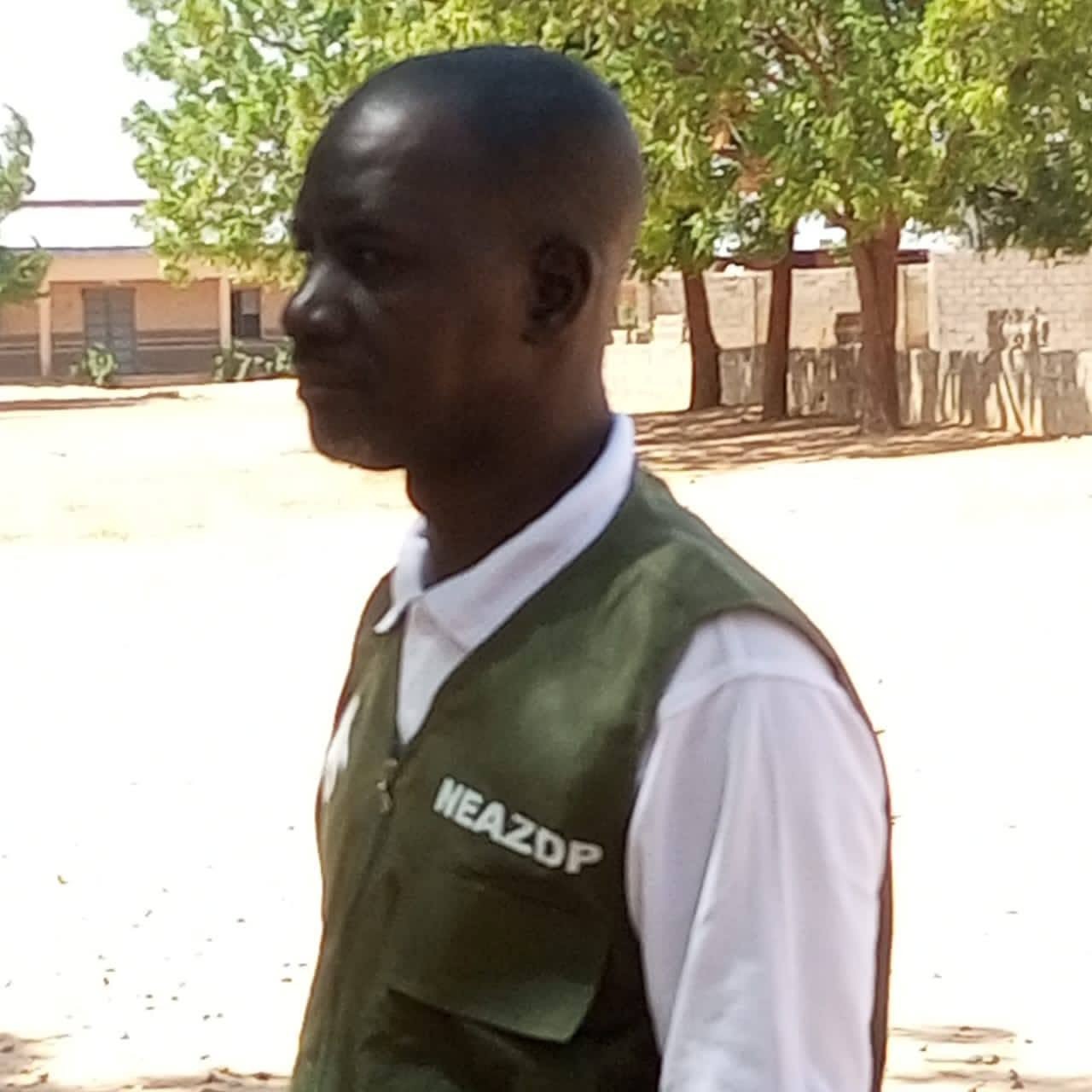
Nine LGAs of the NEAZDP mandate area
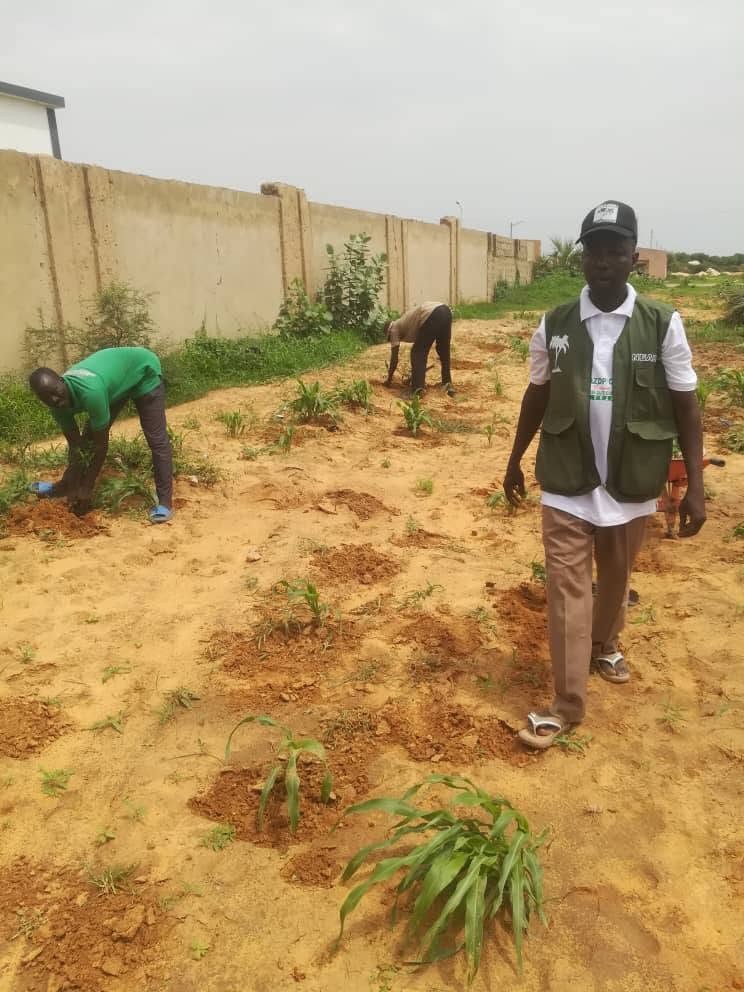
Tree planting completed across all nine LGAs — schools, clinics, residential quarters and households adopted seedlings for long-term care.
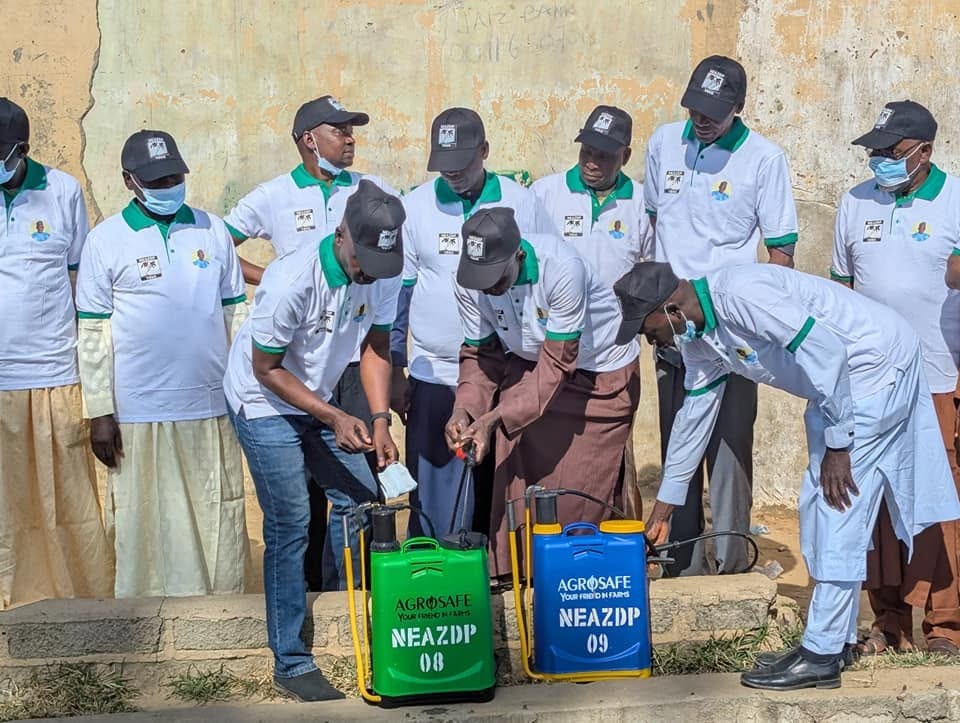
Gashua, Bade LGA
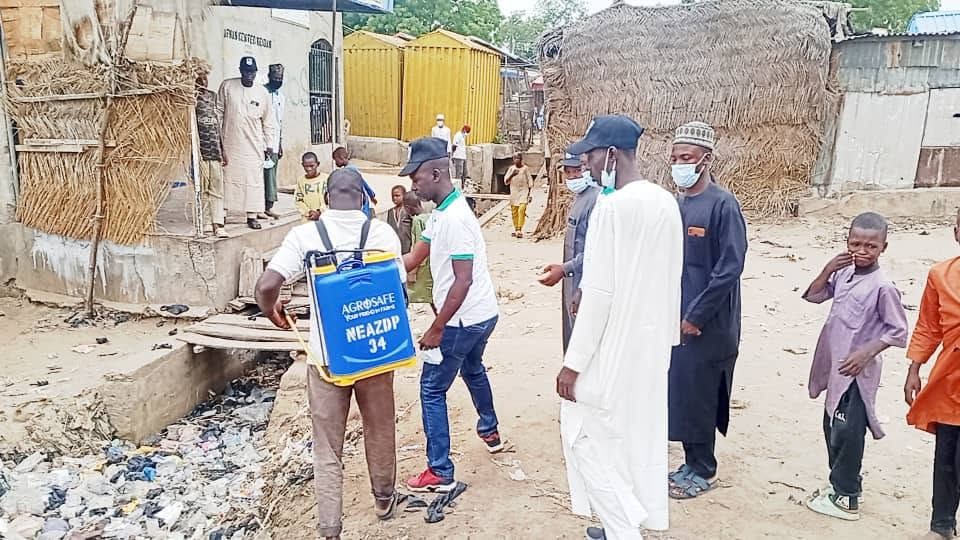
NEAZDP flags off the Malaria Prevention Drive with a large-scale fumigation exercise across the nine LGAs of its operational area.
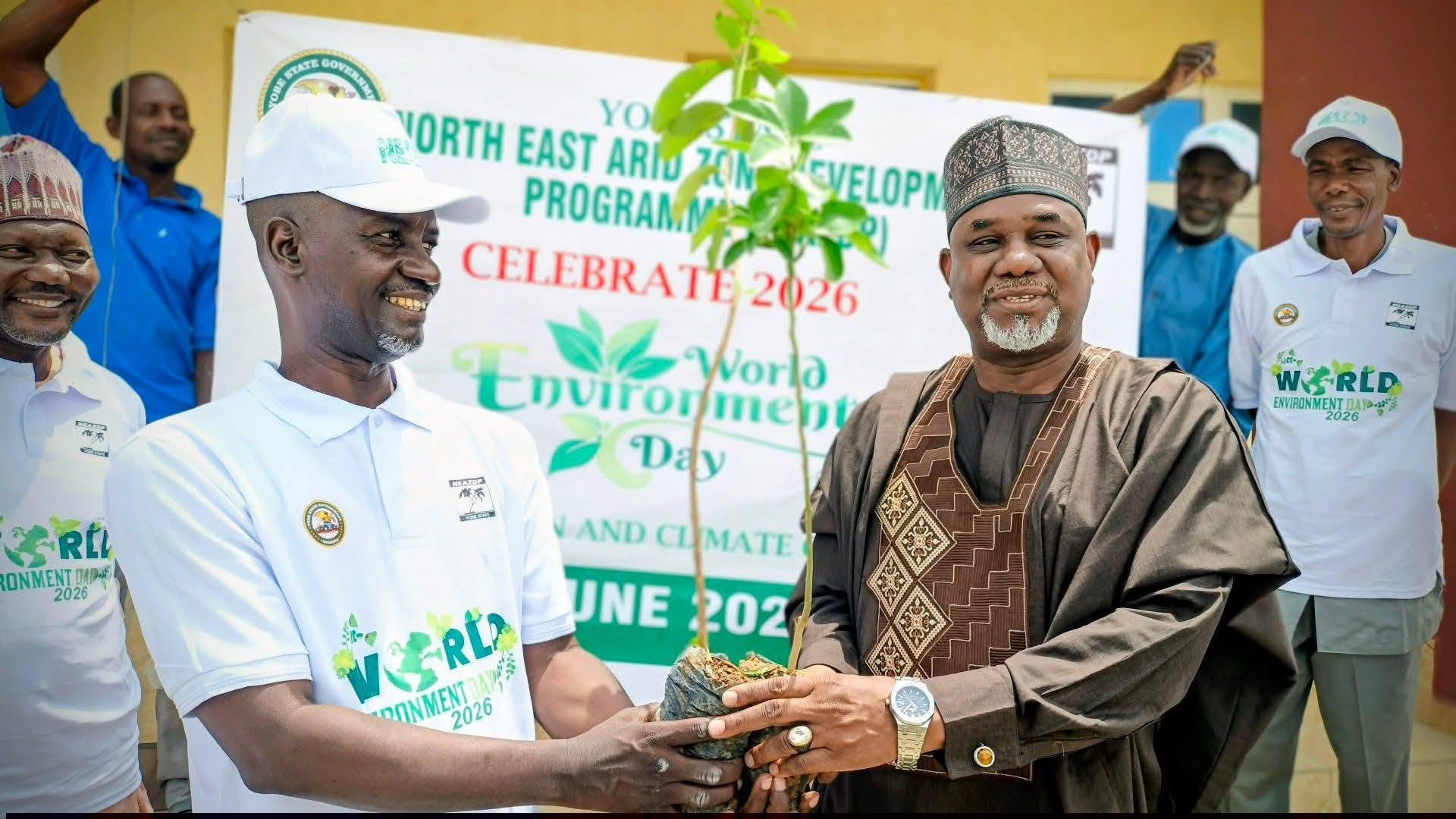
Gashua
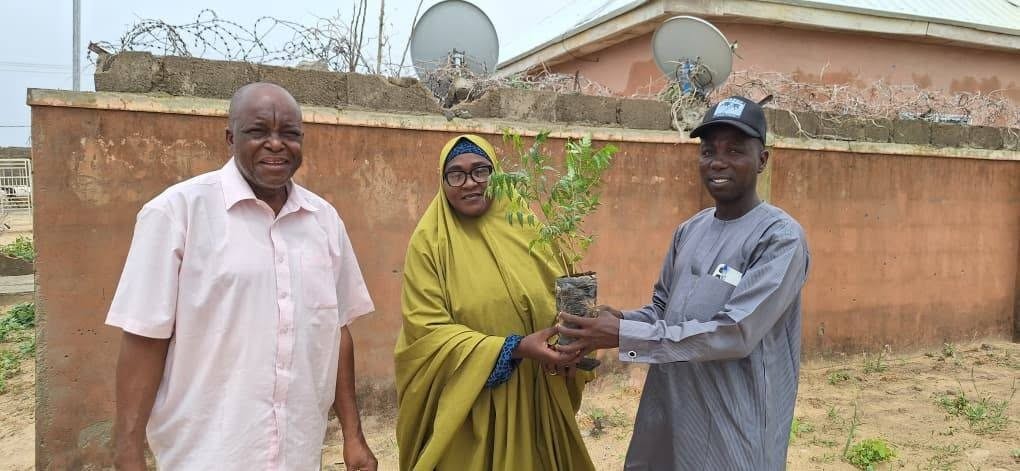
World Environment Day 2026: 2,000 drought-resistant seedlings distributed to Federal University Gashua and Umar Suleiman College of Education.
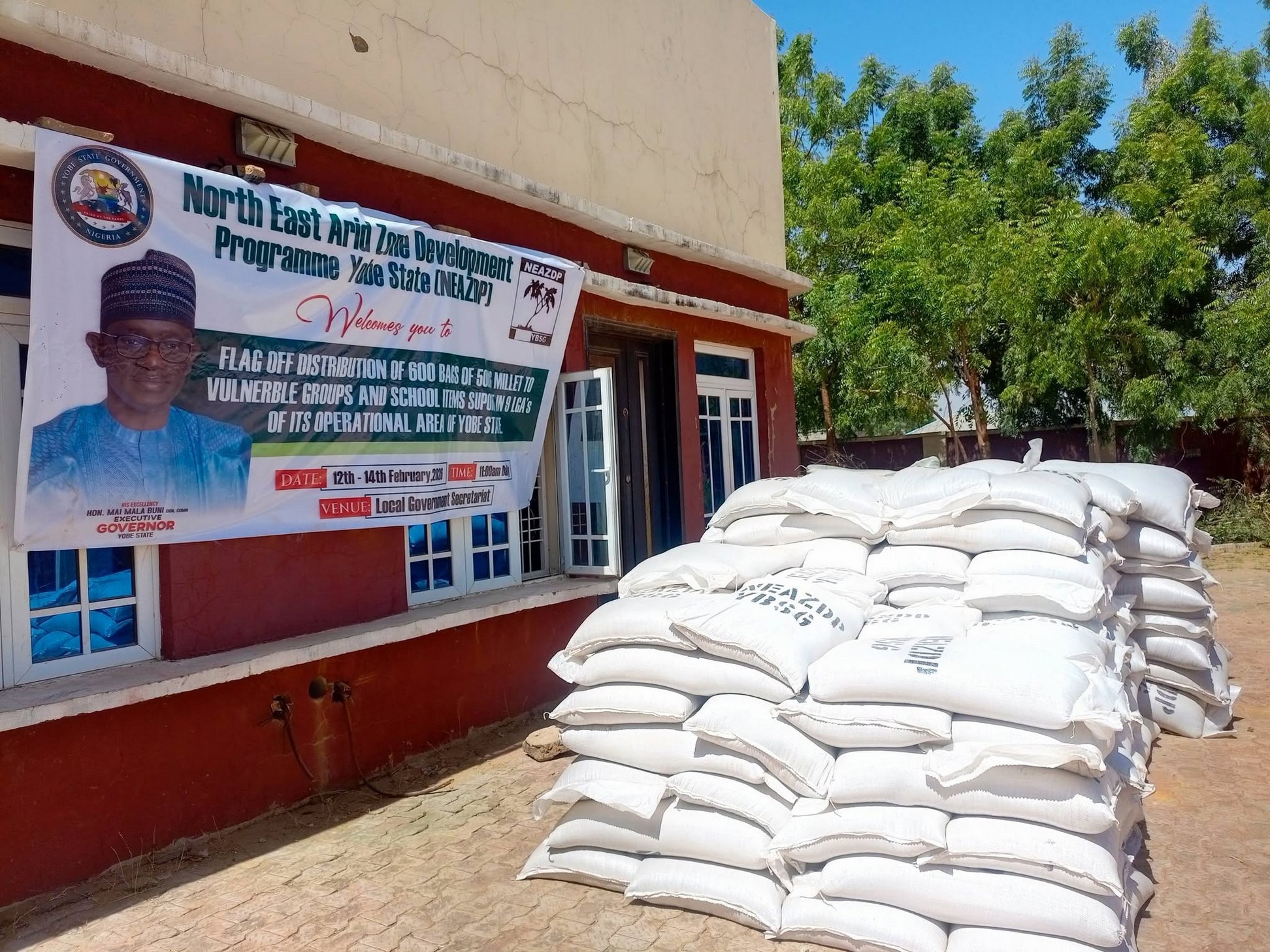
Geidam
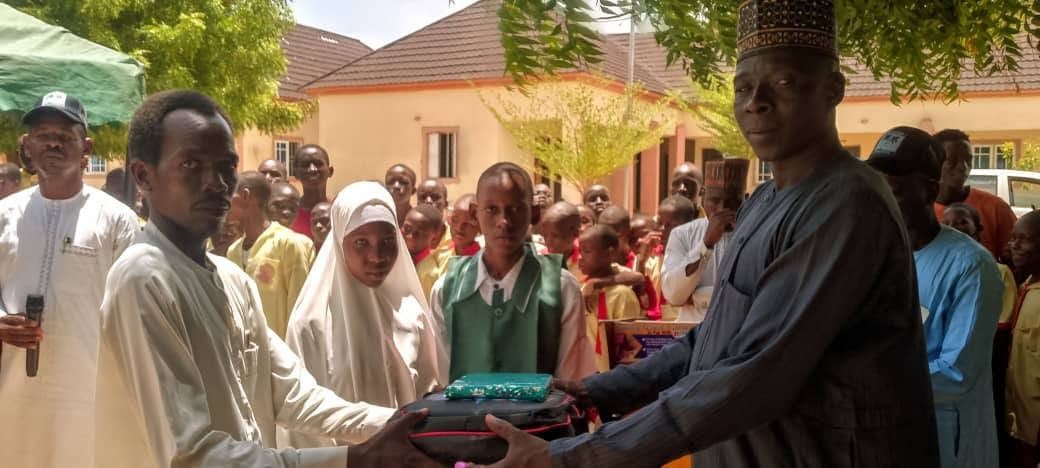
Flag-off of the distribution of food items to vulnerable households and instructional materials to schools across nine LGAs.
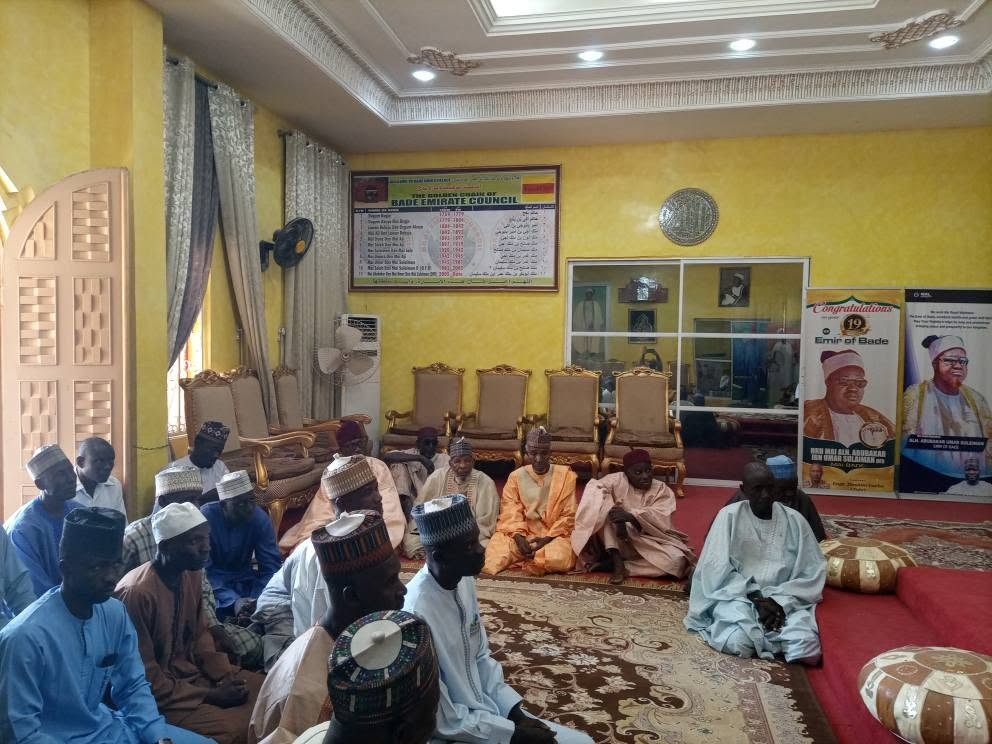
Emir's Palace, Gashua
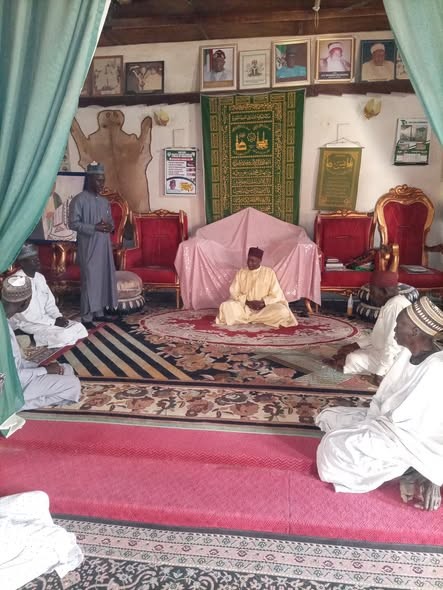
The Programme Manager, Dr. Mulima Idi Mato, pays homage to the Emir of Bade, HRH Alh. Abubakar Umar Suleiman, OFR.
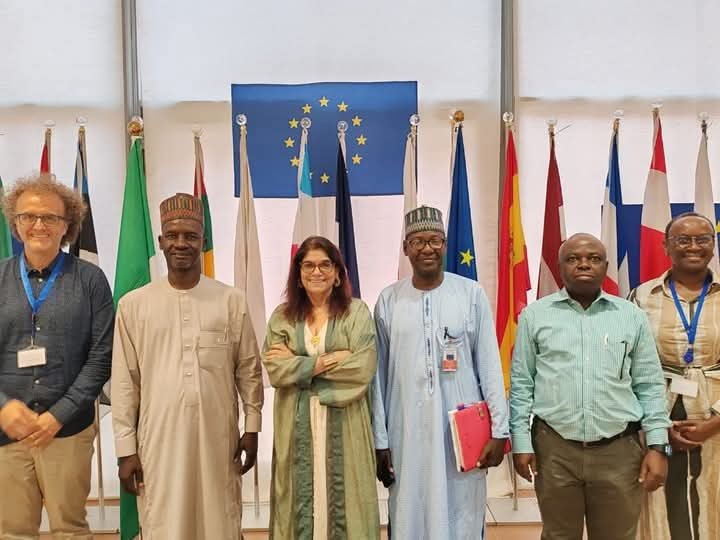
Abuja
NEAZDP visits the EU Delegation to Nigeria and ECOWAS to discuss achievements, challenges and the way forward.
Nguru LGA
Launch of the 2026 tree planting and plantation rehabilitation exercise — 1,000 assorted drought-resistant seedlings planted.
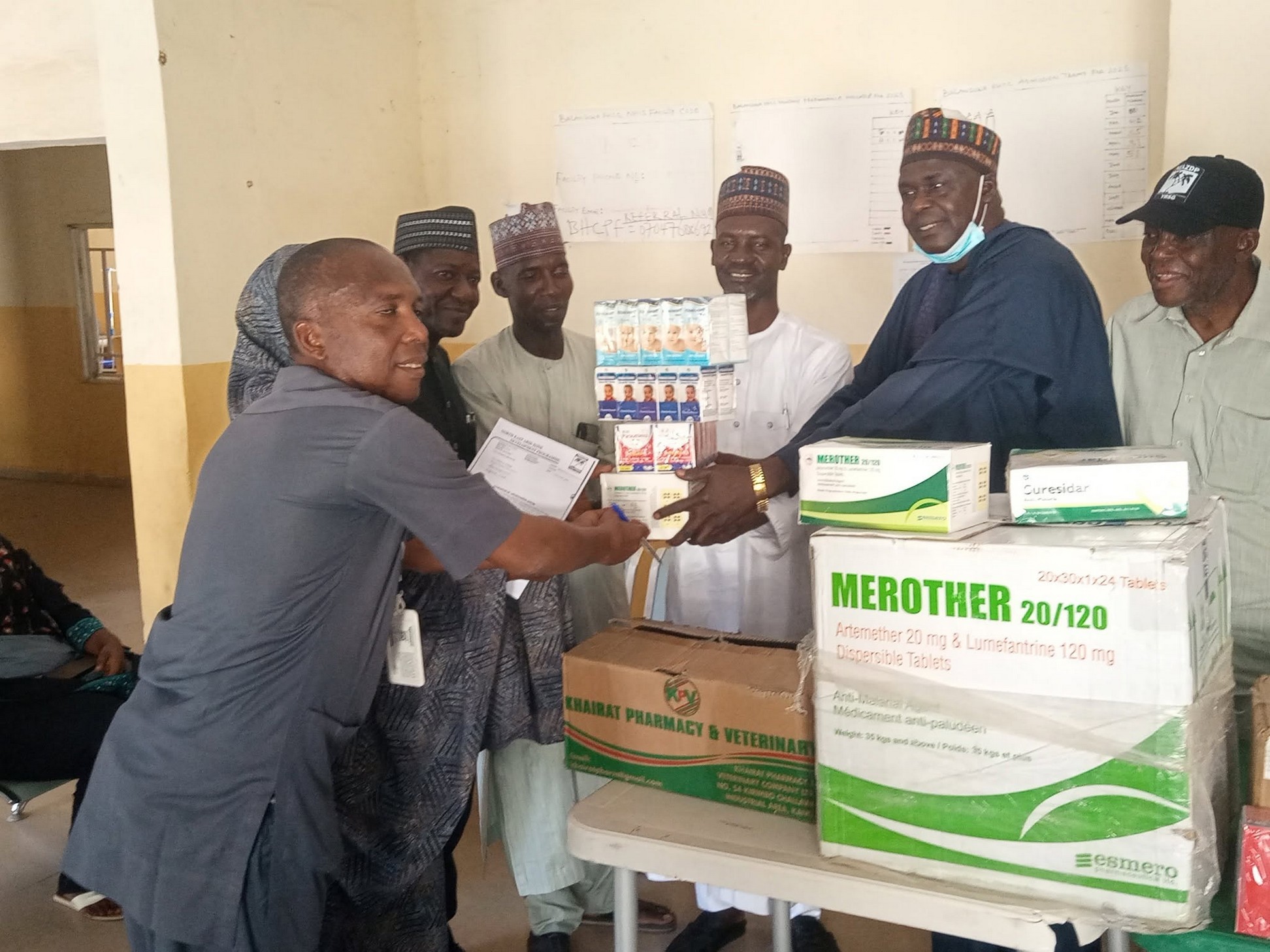
Amshi, Balle, Bulanguwa & Karasuwa Garun Guna
Antimalarial drugs handed over to Primary Health Care Centres serving rural communities.
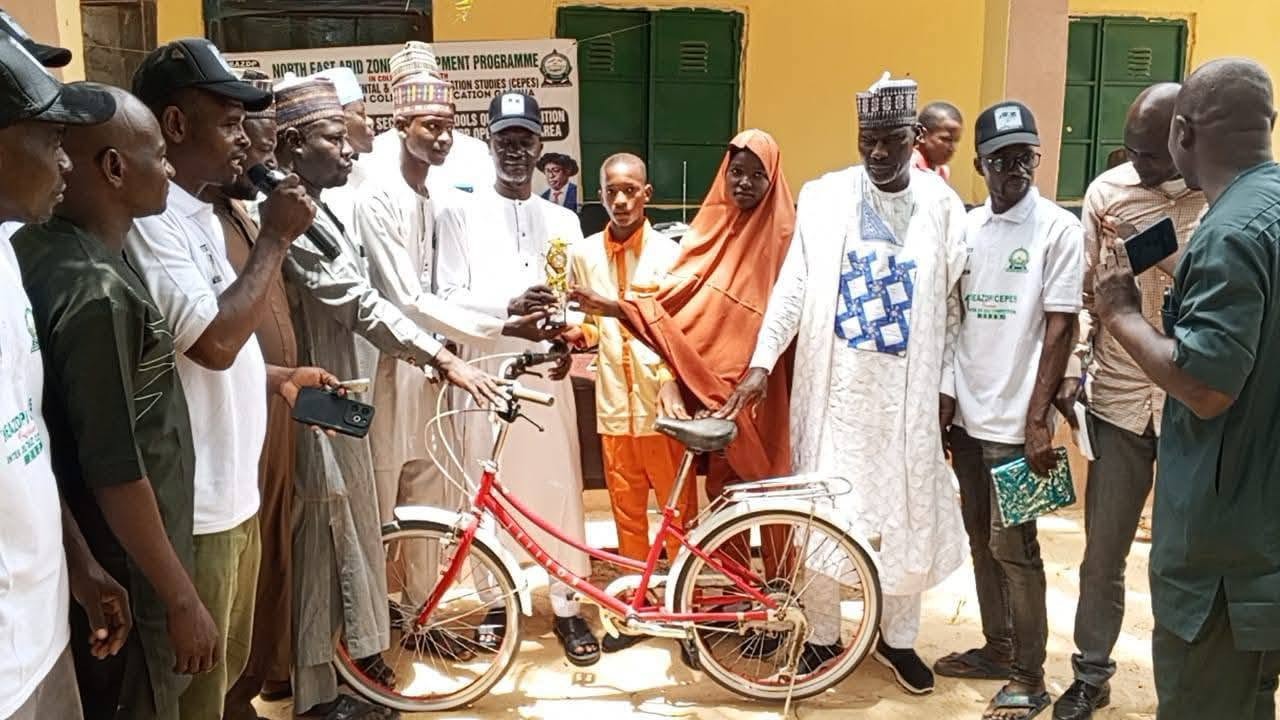
Gashua
Trophies, bicycles and awards presented to winners of the NEAZDP/CEPES Inter-Junior Secondary School Quiz Competition.
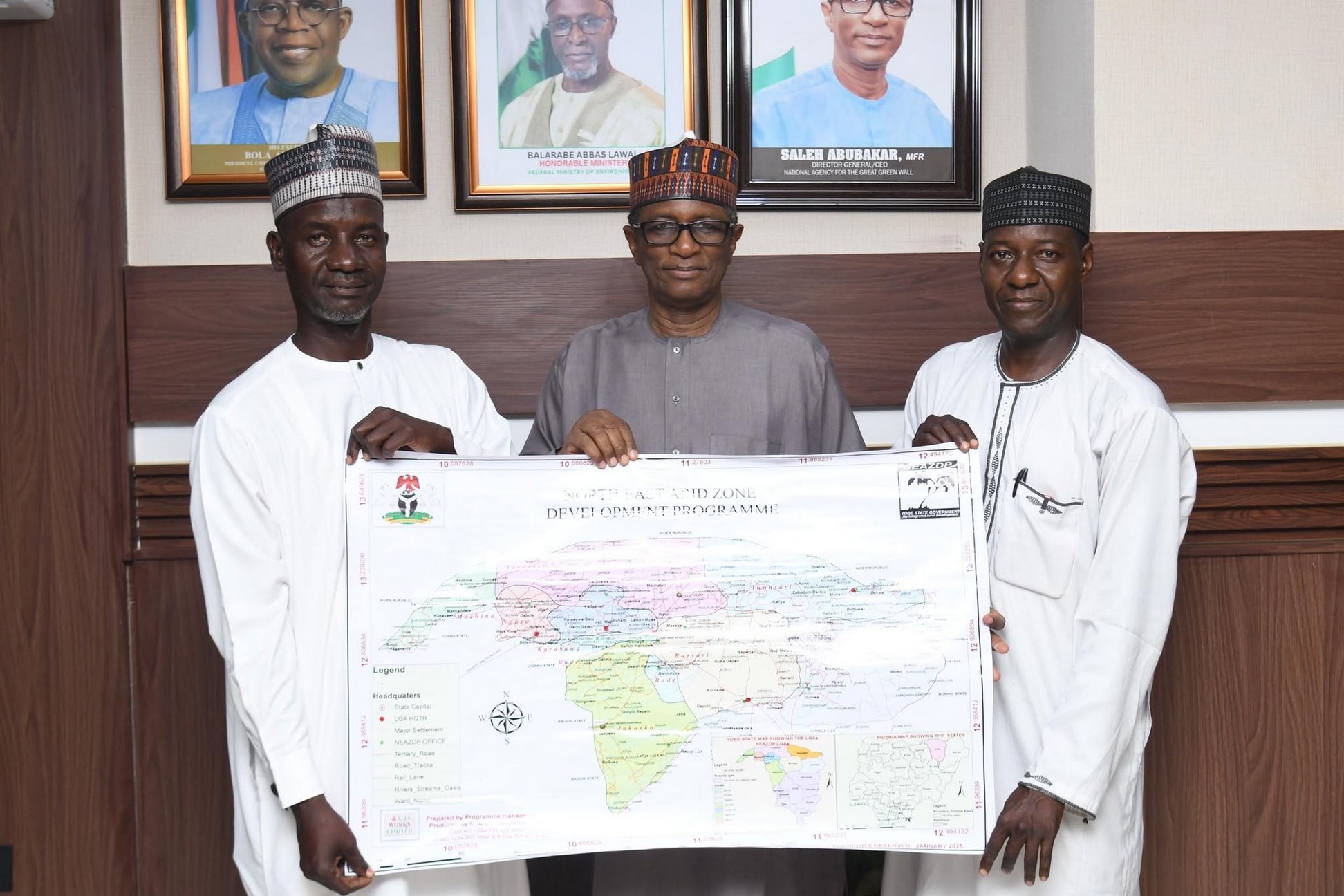
Abuja
Official visit to the National Agency for the Great Green Wall to deepen collaboration on desertification and land degradation.
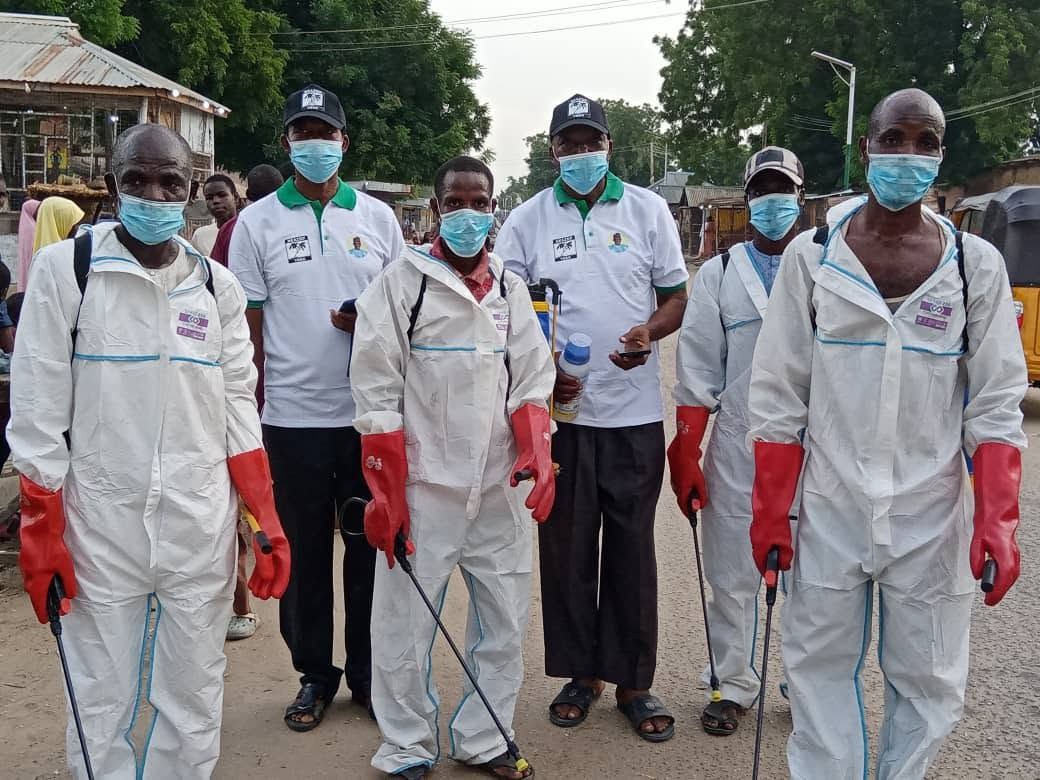
Nguru LGA
The Nguru Local Government leg of the 2025 Malaria Prevention Drive — sanitation, sensitisation and mosquito control.
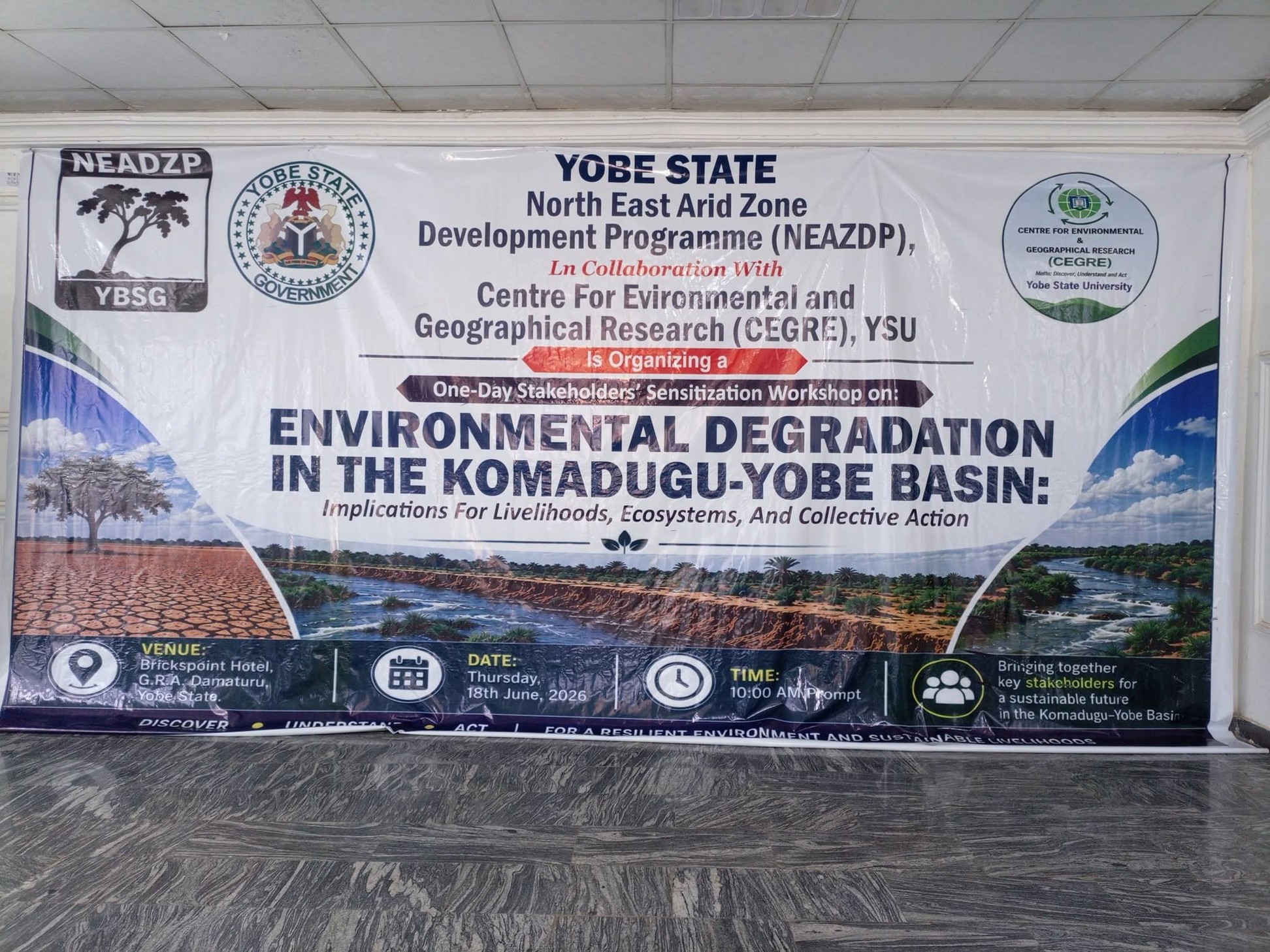
Damaturu
One-day stakeholders' sensitisation workshop on environmental degradation in the Komadugu-Yobe Basin with CEGRE, YSU.
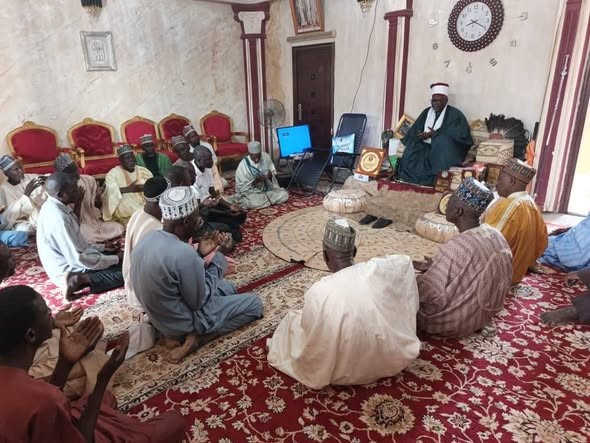
Machina LGA
Tree planting intensified in Machina, combining new plantation sites with the beating-up of established ones.
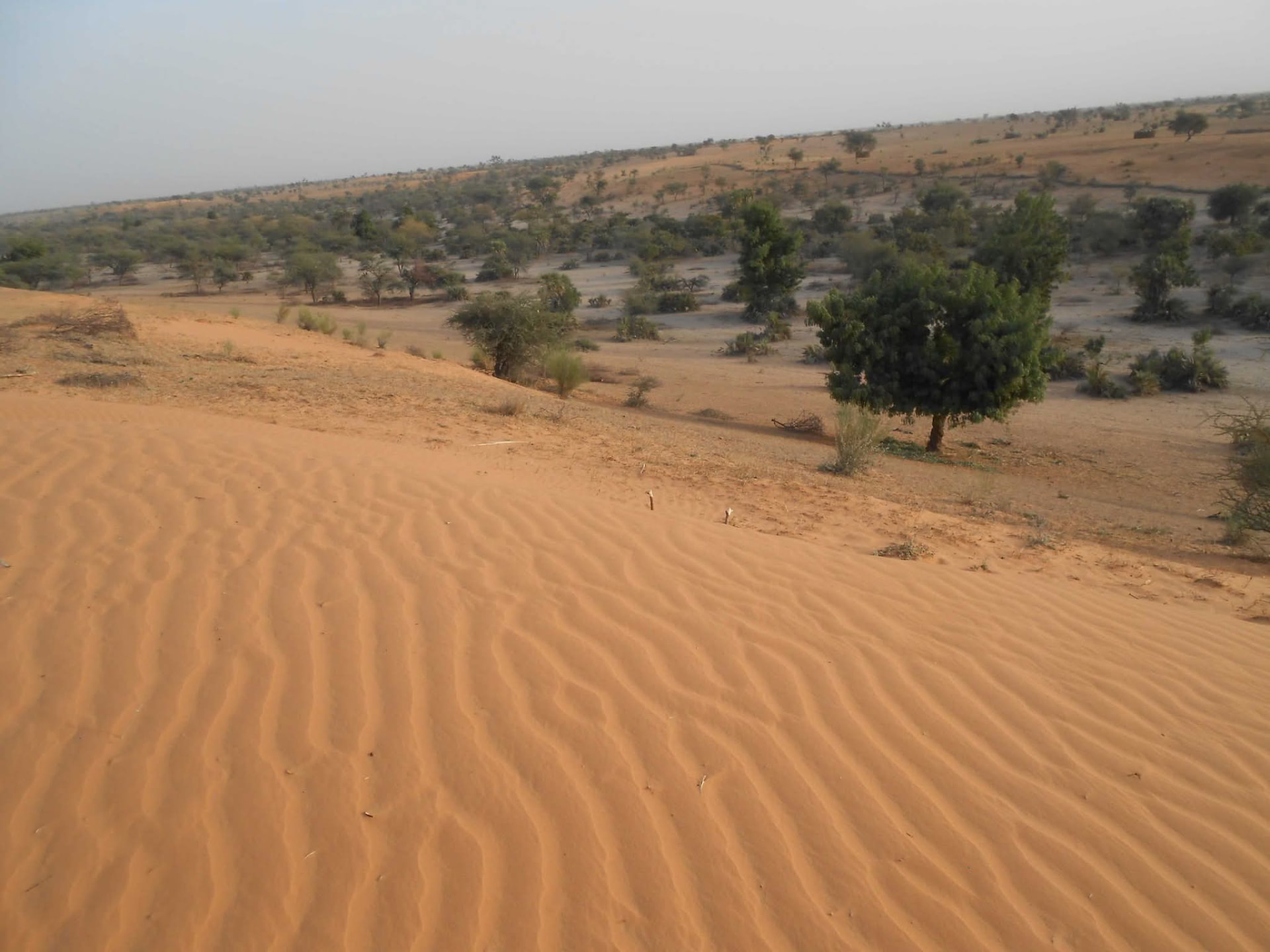
Shelterbelts, sand dune fixation, nurseries and annual tree planting campaigns.
Tube wells, solar boreholes, cement wells and water quality assessment.
Equipped maternity centres, trained birth attendants and malaria prevention.
Instructional materials, furniture, textbooks and non-formal learning centres.
Food and clothing support for widows, the blind, the disabled and IDP children.
At a glance
The North East Arid Zone Development Programme (NEAZDP) was proposed in 1988 and 1989 to promote integrated rural development in the area north of latitude 12 degrees in the then Borno State. The Programme was established in 1990.
With the division of Borno State and the creation of Yobe State in August 1991, the Programme area fell entirely within Yobe State, presently covering 9 of the 17 Local Governments in the northern part of the state.
The European Union and the Federal Government of Nigeria jointly financed the Programme under the 6th European Development Fund of the Lomé III Convention from 1990 to 1996. Following the suspension of EU development aid in 1996, the Federal Government funded capital projects through the National Planning Commission while Yobe State Government paid salaries and overheads. Since the stoppage of federal support in 2006, the Yobe State Government has taken over full financing of NEAZDP.
“To motivate and assist the rural people to improve their standard of living by the proper use and management of their natural resources.”
Broad objective of NEAZDP
Objectives
The broad objective is broken down into specific commitments that shape every intervention across the operational area.
Components & departments
A central Programme Management Unit supports three major operational components, each with its own specialist units.
Component 1
Component 2
Component 3
The central administrative department, headed by the Programme Manager, who leads the entire organisation. The following units operate under the PMU.
Achievements so far
Health care delivery, water supply, education, agriculture, food security, desertification control and support to vulnerable groups.
1,800 persons — including widows, the blind, the deaf and persons with disabilities — were carefully selected and received food stuff and clothing materials free of charge, with transportation from collection centres to their villages. Each beneficiary received a 100kg bag of millet grain and a bundle of 10 yards of clothing material. Counting five dependants per household, a total of 9,000 persons benefitted.
Newsroom
Reports from the field on health, environment, education, livelihoods and partnerships.